Hypoglycemia (Low Blood Sugar): natural remedies and the evidence behind them
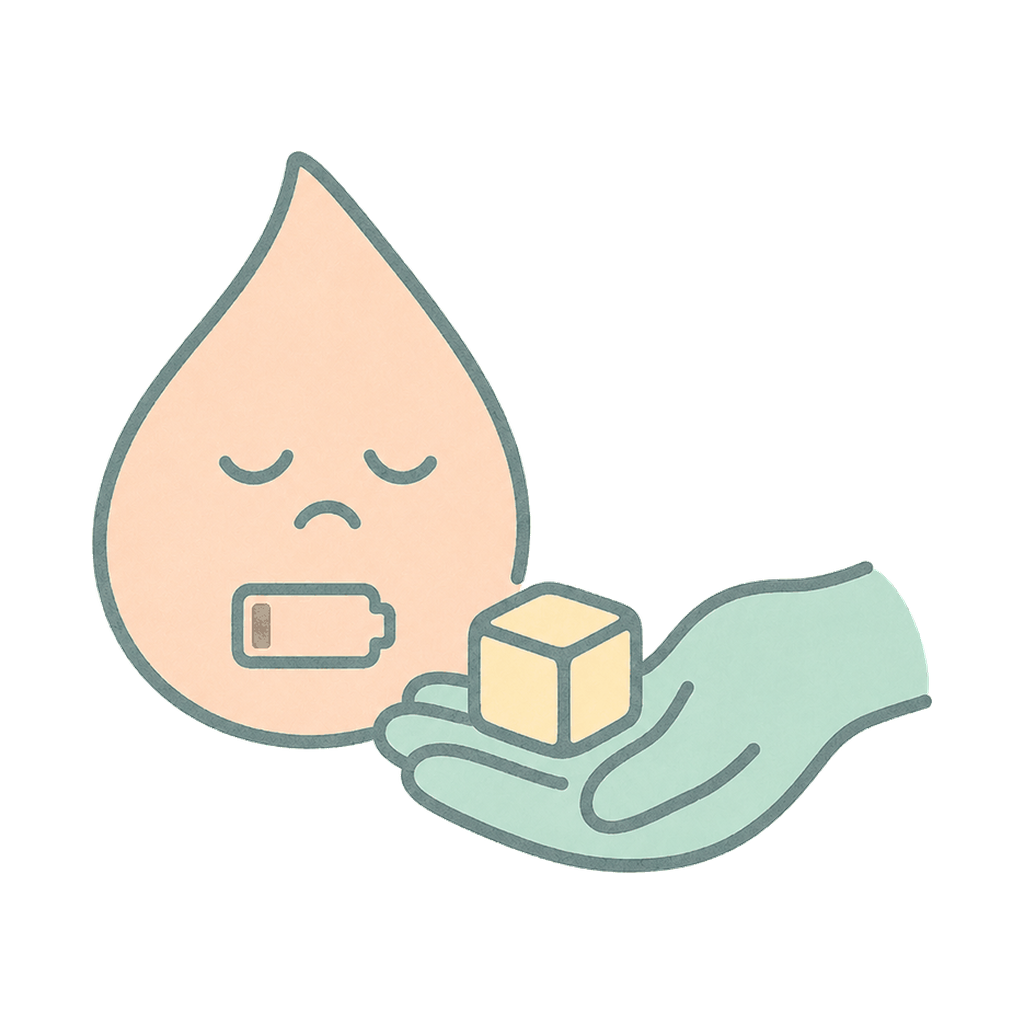
Hypoglycemia occurs when blood sugar drops too low, causing symptoms like shakiness, fatigue, and difficulty concentrating.
6 options1 graded C5 traditional or ungraded
C
Guided condition explorer
Start with what sounds familiar.
Choose what sounds familiar, then choose the kind of support you want to explore. HealisticMD narrows the library without presenting the result as personal medical advice.
If your lows tend to hit during or after moving, the useful part isn't exercise itself but how you time and fuel it, so activity doesn't tip you into a dip.
The one controlled trial here looked at aerobic exercise in people with reactive lows after bariatric surgery, not general hypoglycemia; the practical takeaway is that planning carbohydrate around activity and monitoring your glucose can reduce activity-related dips.
Dose or use Do moderate aerobic activity timed around meals or a snack; eat before you start, keep fast-acting carbs on hand, and check your glucose before, during, and after.
Key study One RCT (2026, PMID 42065808) tested acute aerobic exercise on time spent in hypoglycemia after bariatric surgery; evidence is limited to that specific population, not hypoglycemia in general.
EvidenceLimited human trials so far · Most of the research is laboratory or animal workTime to resultsYou can apply the timing right away; steadier patterns build over a few weeks
Caution: Work with a healthcare provider to time exercise safely around meals and monitor blood sugar before, during, and after activity; stop and treat a low if symptoms hit.
Evidence grade not assigned · Traditional use long-standing
Protein at meals to blunt the spike and crash
Why it may be relevant
If a high-carb meal leaves you crashing a couple of hours later, pairing it with protein slows how quickly the carbs are absorbed, so the rise and fall are gentler.
Whey is a complete protein that slows gastric emptying and, in library sources, is linked to improved blood sugar control; adding it to carb-heavy meals is a simple, food-based way to flatten the post-meal swing.
Dose or use Add a scoop (about 20 to 25 g) to a snack or alongside a carb-heavy meal, for example blended into a drink or stirred into yogurt.
Key study Not confirmed for hypoglycemia in a specific clinical trial; the effect of protein on slowing carbohydrate absorption and steadying post-meal glucose is well described nutritionally.
EvidenceCenturies of traditional use · Human evidence not yet assessedTime to resultsYou may feel steadier after meals within days of pairing protein with carbsTraditional useLong-standing traditional staple
Caution: Whey comes from milk, so avoid it if you have a dairy allergy, and go easy if you're lactose-intolerant, as it can cause bloating or cramps.
Evidence grade not assigned · Traditional use long-standing
Fiber-rich seeds that slow the post-meal spike
Why it may be relevant
If you crash a couple of hours after a sugary or high-carb meal, adding these to that meal can slow how fast the carbs hit, softening the spike that sets up the rebound low.
Chia's gel-forming soluble fiber slows carbohydrate absorption and promotes satiety, which library sources describe as helping stabilize blood sugar; it works nutritionally without actively lowering your glucose.
Dose or use Stir 1 to 2 tablespoons into water, yogurt, or oats and eat them with your meal; let them gel for a few minutes first.
Key study Not established for hypoglycemia in a specific clinical trial; the blood-sugar-stabilizing role of chia's soluble fiber is based on nutritional evidence and traditional use.
EvidenceCenturies of traditional use · Human evidence not yet assessedTime to resultsYou may notice steadier energy after meals within days to a few weeksTraditional useLong-standing traditional staple
Caution: Introduce them gradually and drink plenty of water, since the high fiber can cause bloating or, rarely, blockages if eaten dry or with too little fluid.
Evidence grade not assigned · Traditional use long-standing
Protein at meals to blunt the spike and crash
Why it may be relevant
If a high-carb meal leaves you crashing a couple of hours later, pairing it with protein slows how quickly the carbs are absorbed, so the rise and fall are gentler.
Whey is a complete protein that slows gastric emptying and, in library sources, is linked to improved blood sugar control; adding it to carb-heavy meals is a simple, food-based way to flatten the post-meal swing.
Dose or use Add a scoop (about 20 to 25 g) to a snack or alongside a carb-heavy meal, for example blended into a drink or stirred into yogurt.
Key study Not confirmed for hypoglycemia in a specific clinical trial; the effect of protein on slowing carbohydrate absorption and steadying post-meal glucose is well described nutritionally.
EvidenceCenturies of traditional use · Human evidence not yet assessedTime to resultsYou may feel steadier after meals within days of pairing protein with carbsTraditional useLong-standing traditional staple
Caution: Whey comes from milk, so avoid it if you have a dairy allergy, and go easy if you're lactose-intolerant, as it can cause bloating or cramps.
When do your low blood sugar episodes tend to hit?
Between meals, or when I've gone too long without eating
–
Nutrient gap worth checking
Chromium Deficiency
Evidence grade not assigned · Traditional use long-standing
A correctable gap tied to unstable blood sugar
Why it may be relevant
If you crash between meals or after going too long without eating, low chromium is one correctable contributor worth ruling out, since it helps your body keep blood sugar steady.
Chromium supports insulin's action and carbohydrate metabolism, and the deficiency's early signs, fatigue and difficulty concentrating, overlap the symptoms you're describing.
Dose or use Ask your provider about checking your status; food sources include broccoli, whole grains, and lean meats, with a supplement only if you're found to be low.
Key study Not evaluated in a condition-specific clinical trial; chromium's role in maintaining stable blood sugar is described in nutritional literature.
EvidenceCenturies of traditional use · Human evidence not yet assessedTime to resultsIf a real deficiency is corrected, steadier energy may follow over a few weeksTraditional useLong-standing traditional staple
Caution: If you take diabetes or blood-sugar medication, check with your provider first, since correcting chromium can shift your glucose control.
–
Nutrient gap worth checking
Magnesium Deficiency
Evidence grade not assigned · Traditional use long-standing
Supports insulin action and steady energy
Why it may be relevant
If your between-meal crashes come with fatigue and trouble concentrating, a magnesium shortfall is another correctable factor, since magnesium is needed for how your body handles glucose.
Magnesium supports insulin's action and energy production, and its deficiency shows up as the fatigue and difficulty concentrating you may notice when your sugar dips.
Dose or use Favor magnesium-rich foods like leafy greens, nuts, seeds, and legumes; add a supplement only if your provider confirms you're low.
Key study Not confirmed in a hypoglycemia-specific clinical trial; magnesium's role in insulin action and glucose metabolism is well described in nutritional science.
EvidenceCenturies of traditional use · Human evidence not yet assessedTime to resultsIf a deficiency is corrected, expect gradual improvement over a few weeksTraditional useLong-standing traditional staple
Caution: Higher-dose magnesium supplements can cause loose stools and may interact with certain medications; check with your provider before starting.
–
Pressure point
ST36 (Zusanli)
Evidence grade not assigned · Traditional use recognised
Traditional point for fatigue and digestion
Why it may be relevant
If your lows leave you drained and foggy between meals, this is a traditional self-care point used to support digestion and lift low energy, something to lean on alongside steady eating.
In Traditional Chinese Medicine, ST36 is a long-used point for fatigue, low energy, and digestive support; this is a traditional practice, not a proven treatment for blood sugar.
Dose or use Press the point a few finger-widths below the outer edge of the knee, firmly for 1 to 2 minutes on each leg, once or twice a day.
Key study Traditionally used to support energy and digestion; this specific use for hypoglycemia has not been confirmed in controlled clinical trials.
EvidenceNot yet assessed · We have not reviewed the literature for this oneTime to resultsA traditional practice; any effect is felt session to sessionTraditional useRecognised traditional use
Caution: Avoid firm pressure if you are pregnant or over broken or irritated skin; acupressure does not treat a low blood sugar episode in progress, so treat any active low with fast-acting carbs.
When do your low blood sugar episodes tend to hit?
No clear pattern — I get shaky, foggy, or drained at random times
Evidence grade not assigned · Traditional use long-standing
Fiber-rich seeds that slow the post-meal spike
Why it may be relevant
If you crash a couple of hours after a sugary or high-carb meal, adding these to that meal can slow how fast the carbs hit, softening the spike that sets up the rebound low.
Chia's gel-forming soluble fiber slows carbohydrate absorption and promotes satiety, which library sources describe as helping stabilize blood sugar; it works nutritionally without actively lowering your glucose.
Dose or use Stir 1 to 2 tablespoons into water, yogurt, or oats and eat them with your meal; let them gel for a few minutes first.
Key study Not established for hypoglycemia in a specific clinical trial; the blood-sugar-stabilizing role of chia's soluble fiber is based on nutritional evidence and traditional use.
EvidenceCenturies of traditional use · Human evidence not yet assessedTime to resultsYou may notice steadier energy after meals within days to a few weeksTraditional useLong-standing traditional staple
Caution: Introduce them gradually and drink plenty of water, since the high fiber can cause bloating or, rarely, blockages if eaten dry or with too little fluid.
Evidence grade not assigned · Traditional use long-standing
A correctable gap tied to unstable blood sugar
Why it may be relevant
If you crash between meals or after going too long without eating, low chromium is one correctable contributor worth ruling out, since it helps your body keep blood sugar steady.
Chromium supports insulin's action and carbohydrate metabolism, and the deficiency's early signs, fatigue and difficulty concentrating, overlap the symptoms you're describing.
Dose or use Ask your provider about checking your status; food sources include broccoli, whole grains, and lean meats, with a supplement only if you're found to be low.
Key study Not evaluated in a condition-specific clinical trial; chromium's role in maintaining stable blood sugar is described in nutritional literature.
EvidenceCenturies of traditional use · Human evidence not yet assessedTime to resultsIf a real deficiency is corrected, steadier energy may follow over a few weeksTraditional useLong-standing traditional staple
Caution: If you take diabetes or blood-sugar medication, check with your provider first, since correcting chromium can shift your glucose control.
–
Nutrient gap worth checking
Magnesium Deficiency
Evidence grade not assigned · Traditional use long-standing
Supports insulin action and steady energy
Why it may be relevant
If your between-meal crashes come with fatigue and trouble concentrating, a magnesium shortfall is another correctable factor, since magnesium is needed for how your body handles glucose.
Magnesium supports insulin's action and energy production, and its deficiency shows up as the fatigue and difficulty concentrating you may notice when your sugar dips.
Dose or use Favor magnesium-rich foods like leafy greens, nuts, seeds, and legumes; add a supplement only if your provider confirms you're low.
Key study Not confirmed in a hypoglycemia-specific clinical trial; magnesium's role in insulin action and glucose metabolism is well described in nutritional science.
EvidenceCenturies of traditional use · Human evidence not yet assessedTime to resultsIf a deficiency is corrected, expect gradual improvement over a few weeksTraditional useLong-standing traditional staple
Caution: Higher-dose magnesium supplements can cause loose stools and may interact with certain medications; check with your provider before starting.
–
Pressure point
ST36 (Zusanli)
Evidence grade not assigned · Traditional use recognised
Traditional point for fatigue and digestion
Why it may be relevant
If your lows leave you drained and foggy between meals, this is a traditional self-care point used to support digestion and lift low energy, something to lean on alongside steady eating.
In Traditional Chinese Medicine, ST36 is a long-used point for fatigue, low energy, and digestive support; this is a traditional practice, not a proven treatment for blood sugar.
Dose or use Press the point a few finger-widths below the outer edge of the knee, firmly for 1 to 2 minutes on each leg, once or twice a day.
Key study Traditionally used to support energy and digestion; this specific use for hypoglycemia has not been confirmed in controlled clinical trials.
EvidenceNot yet assessed · We have not reviewed the literature for this oneTime to resultsA traditional practice; any effect is felt session to sessionTraditional useRecognised traditional use
Caution: Avoid firm pressure if you are pregnant or over broken or irritated skin; acupressure does not treat a low blood sugar episode in progress, so treat any active low with fast-acting carbs.
Evidence grades describe the strength of published research for Hypoglycemia (Low Blood Sugar), not a promise of results. A higher grade is not a personal recommendation. Nothing here is medical advice — talk to your clinician before starting anything, especially alongside prescription medication.
Related pressure points
Hands-on options you can try yourself.
Acupressure is a comfort measure, not a treatment for Hypoglycemia (Low Blood Sugar) itself. Each page shows where the point is and how to press it.
The evidence behind Hypoglycemia (Low Blood Sugar), in one page
We track 3 natural options for Hypoglycemia (Low Blood Sugar) — what each is typically used for, usual dose, cautions, and the study behind the ones with real trial data.
One email with the summary. We'll also send a short weekly evidence update — unsubscribe any time.
Build your plan in the app
Build and track your natural-health plan for Hypoglycemia (Low Blood Sugar) in the app.