Tonsillitis: natural remedies and the evidence behind them
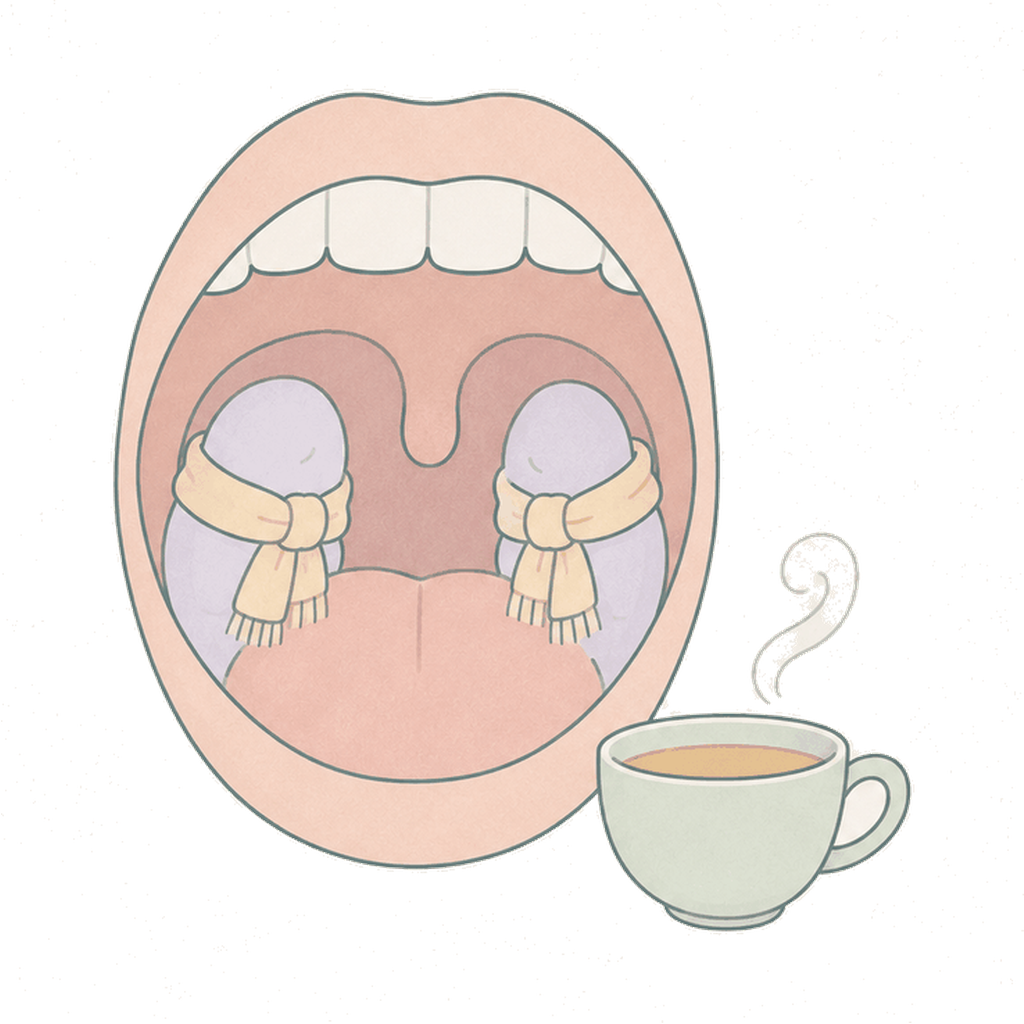
Tonsillitis is inflammation of the tonsils, usually causing a sore throat, swallowing difficulty, and sometimes fever.
11 options1 graded C10 traditional or ungraded
C
Guided condition explorer
Start with what sounds familiar.
Choose what sounds familiar, then choose the kind of support you want to explore. HealisticMD narrows the library without presenting the result as personal medical advice.
Bee resin traditionally used to soothe throat infections
Why it may be relevant
During an active flare, propolis is a bee-derived resin traditionally used for sore throats and upper-respiratory infections, and it has been studied as part of a supportive supplement for acute tonsillopharyngitis in children.
Propolis contains antimicrobial and anti-inflammatory plant compounds and is traditionally used to ease throat infections; in one children's trial a supplement containing propolis alongside honey, Pelargonium and zinc modestly improved sore-throat symptoms, though propolis's own effect cannot be separated from the other ingredients.
Dose or use Available as lozenges, throat sprays, tinctures or capsules; follow the product's labeling, and choose lozenges or a throat spray for direct contact with a sore throat.
Key study Randomized controlled trial (2024, PMID 38931472): The Effectiveness of a Dietary Supplement with Honey, Propolis, Pelargonium sidoides Extract, and Zinc in Children Affected by Acute Tonsillopharyngitis: An Open, Randomized, and Controlled Trial. In this open-label pediatric study the supplement plus standard care improved tonsillitis severity score, throat pain and erythema versus standard care alone; because propolis was given only within a four-ingredient combination, its individual contribution cannot be isolated (grade C).
EvidenceCenturies of traditional use · Limited human trials so farTime to resultsTypically over several days of use during an active flareTraditional useLong-standing traditional staple
Caution: Avoid if you are allergic to bee products, propolis or pollen; stop if you notice mouth irritation or an allergic reaction, and see a doctor if a bacterial tonsillitis needs antibiotics.
Evidence grade not assigned · Traditional use long-standing
Traditionally used to ease throat inflammation
Why it may be relevant
Traditionally used during active throat inflammation to help ease pain and support recovery.
Traditionally used to stimulate points associated with throat and immune function to help relieve sore throat discomfort.
Dose or use See a licensed acupuncturist for a course of sessions targeting throat- and immune-related points; effects build over several visits rather than a single treatment.
Key study Traditionally used for this condition; this specific use has not been confirmed in controlled clinical trials.
EvidenceCenturies of traditional use · Human evidence not yet assessedTime to resultsTypically days to a few weeksTraditional useLong-standing traditional staple
Caution: Choose a licensed acupuncturist who uses sterile, single-use needles, and tell them if you are pregnant or have a bleeding disorder.
Evidence grade not assigned · Traditional use recognised
Coats and soothes a raw, sore throat
Why it may be relevant
During an active flare, honey can coat and soothe a raw throat and take the edge off soreness and coughing.
Honey has natural soothing, antibacterial and anti-inflammatory properties and forms a coating that eases throat discomfort.
Dose or use Take a teaspoon on its own, or stir it into warm water or tea, as needed through the day.
Key study Traditional demulcent for sore throat and cough; the library notes it can soothe a sore throat and reduce coughing by coating the throat. Not confirmed here by a specific controlled trial for tonsillitis.
EvidenceNot yet assessed · We have not reviewed the literature for this oneTime to resultsOften soothing within minutesTraditional useRecognised traditional use
Caution: Never give honey to infants under 1 year, due to the risk of infant botulism.
Evidence grade not assigned · Traditional use long-standing
Self-acupressure point for face and throat pain
Why it may be relevant
When you're in a flare, LI4 is a simple self-acupressure point traditionally used for pain in the face, head and throat.
A classic TCM 'master point' for pain relief; pressing it is thought to help ease discomfort, and it's easy to do yourself between other measures.
Dose or use Press firmly on the webbing between thumb and index finger for 2-3 minutes, on both hands, 1-2 times a day.
Key study Traditionally used in acupressure for head, face and throat discomfort; this specific use for tonsillitis has not been confirmed in controlled clinical trials.
EvidenceCenturies of traditional use · Human evidence not yet assessedTime to resultsTypically a temporary easing during and after pressingTraditional useLong-standing traditional staple
Caution: Avoid LI4 acupressure during pregnancy, as it is traditionally thought to stimulate contractions.
–
Pressure point
LU7 (Lieque) - Lung 7
Evidence grade not assigned · Traditional use long-standing
Lung-meridian point used for throat and cough
Why it may be relevant
During a throat flare, LU7 is a Lung-meridian acupressure point traditionally used for coughs, colds and throat complaints.
Traditionally used to ease upper-respiratory and throat symptoms; a simple self-acupressure option alongside your other care.
Dose or use Find it about 1.5 finger-widths above the wrist crease on the thumb side; press firmly for 1-2 minutes on both arms.
Key study Traditionally used on the Lung meridian for coughs, colds and throat symptoms; this specific use has not been confirmed in controlled clinical trials.
EvidenceCenturies of traditional use · Human evidence not yet assessedTime to resultsTypically a temporary easing during and after pressingTraditional useLong-standing traditional staple
Caution: Acupressure is a comfort measure, not a substitute for medical care if a bacterial tonsillitis needs antibiotics.
Evidence grade not assigned · Traditional use recognised
Warm gargle to soothe and cleanse a sore throat
Why it may be relevant
When you're in the middle of a painful flare, a warm saltwater gargle is one of the easiest things to reach for at home.
Salt draws fluid from swollen tissue and helps cleanse the throat, which can take the edge off soreness during an active flare.
Dose or use Dissolve about 1/2 teaspoon of salt in a cup of warm water; gargle for 15-30 seconds and spit it out, a few times a day.
Key study A simple, widely recommended self-care measure for sore throat; its soothing, cleansing effect is well established in everyday practice rather than large controlled trials.
EvidenceNot yet assessed · We have not reviewed the literature for this oneTime to resultsOften some relief right after garglingTraditional useRecognised traditional use
Caution: Don't swallow the saltwater, and it isn't suitable for young children who can't gargle safely.
Bee resin traditionally used to soothe throat infections
Why it may be relevant
During an active flare, propolis is a bee-derived resin traditionally used for sore throats and upper-respiratory infections, and it has been studied as part of a supportive supplement for acute tonsillopharyngitis in children.
Propolis contains antimicrobial and anti-inflammatory plant compounds and is traditionally used to ease throat infections; in one children's trial a supplement containing propolis alongside honey, Pelargonium and zinc modestly improved sore-throat symptoms, though propolis's own effect cannot be separated from the other ingredients.
Dose or use Available as lozenges, throat sprays, tinctures or capsules; follow the product's labeling, and choose lozenges or a throat spray for direct contact with a sore throat.
Key study Randomized controlled trial (2024, PMID 38931472): The Effectiveness of a Dietary Supplement with Honey, Propolis, Pelargonium sidoides Extract, and Zinc in Children Affected by Acute Tonsillopharyngitis: An Open, Randomized, and Controlled Trial. In this open-label pediatric study the supplement plus standard care improved tonsillitis severity score, throat pain and erythema versus standard care alone; because propolis was given only within a four-ingredient combination, its individual contribution cannot be isolated (grade C).
EvidenceCenturies of traditional use · Limited human trials so farTime to resultsTypically over several days of use during an active flareTraditional useLong-standing traditional staple
Caution: Avoid if you are allergic to bee products, propolis or pollen; stop if you notice mouth irritation or an allergic reaction, and see a doctor if a bacterial tonsillitis needs antibiotics.
Evidence grade not assigned · Traditional use long-standing
Immune-support herb for recurring infections
Why it may be relevant
If tonsillitis keeps coming back, echinacea is traditionally used to support the immune system between and during throat infections.
Echinacea is used to support immune function and may modestly reduce the severity and duration of colds and upper-respiratory infections.
Dose or use Available as tea, tincture, or capsules; follow the product's labeling, typically taken in short courses rather than continuously.
Key study Traditionally used immune botanical; some studies suggest it may modestly reduce cold and upper-respiratory symptom severity and duration, but this specific use for tonsillitis has not been confirmed in controlled trials.
EvidenceCenturies of traditional use · Human evidence not yet assessedTime to resultsTypically over days during an infection; longer if used to reduce recurrencesTraditional useLong-standing traditional staple
Caution: Avoid if you're allergic to daisy-family plants, or have an autoimmune condition, unless your provider approves.
Evidence grade not assigned · Traditional use long-standing
May support immune regulation in the tonsils
Why it may be relevant
If tonsillitis keeps recurring, vitamin D's role in immune regulation makes it a reasonable part of a root-cause approach rather than a quick fix for a flare.
Vitamin D contributes to normal immune function, and early tonsillar-tissue research hints it may influence immune-cell balance. This is preliminary mechanistic signal only, not evidence that it treats or prevents tonsillitis.
Dose or use 1,000–2,000 IU daily with food; higher doses require testing and practitioner guidance.
Key study Evidence is limited to a single small 2023 immunohistochemical study (PMID 37198277) on tonsillar tissue in children with chronic tonsillitis, which only observed possible changes in immune-cell (CD68) markers. There are no controlled treatment trials; any use rests on general immune-support rationale, not demonstrated benefit for tonsillitis.
EvidenceCenturies of traditional use · Human evidence not yet assessedTime to resultsNot established for tonsillitis — any role would relate to general immune support over weeks, not relief of an acute flare.Traditional useLong-standing traditional staple
Caution: High-dose vitamin D can cause toxicity; consult a practitioner if taking long-term or in high amounts.
Bee resin traditionally used to soothe throat infections
Why it may be relevant
During an active flare, propolis is a bee-derived resin traditionally used for sore throats and upper-respiratory infections, and it has been studied as part of a supportive supplement for acute tonsillopharyngitis in children.
Propolis contains antimicrobial and anti-inflammatory plant compounds and is traditionally used to ease throat infections; in one children's trial a supplement containing propolis alongside honey, Pelargonium and zinc modestly improved sore-throat symptoms, though propolis's own effect cannot be separated from the other ingredients.
Dose or use Available as lozenges, throat sprays, tinctures or capsules; follow the product's labeling, and choose lozenges or a throat spray for direct contact with a sore throat.
Key study Randomized controlled trial (2024, PMID 38931472): The Effectiveness of a Dietary Supplement with Honey, Propolis, Pelargonium sidoides Extract, and Zinc in Children Affected by Acute Tonsillopharyngitis: An Open, Randomized, and Controlled Trial. In this open-label pediatric study the supplement plus standard care improved tonsillitis severity score, throat pain and erythema versus standard care alone; because propolis was given only within a four-ingredient combination, its individual contribution cannot be isolated (grade C).
EvidenceCenturies of traditional use · Limited human trials so farTime to resultsTypically over several days of use during an active flareTraditional useLong-standing traditional staple
Caution: Avoid if you are allergic to bee products, propolis or pollen; stop if you notice mouth irritation or an allergic reaction, and see a doctor if a bacterial tonsillitis needs antibiotics.
Evidence grade not assigned · Traditional use recognised
Coats and soothes a raw, sore throat
Why it may be relevant
During an active flare, honey can coat and soothe a raw throat and take the edge off soreness and coughing.
Honey has natural soothing, antibacterial and anti-inflammatory properties and forms a coating that eases throat discomfort.
Dose or use Take a teaspoon on its own, or stir it into warm water or tea, as needed through the day.
Key study Traditional demulcent for sore throat and cough; the library notes it can soothe a sore throat and reduce coughing by coating the throat. Not confirmed here by a specific controlled trial for tonsillitis.
EvidenceNot yet assessed · We have not reviewed the literature for this oneTime to resultsOften soothing within minutesTraditional useRecognised traditional use
Caution: Never give honey to infants under 1 year, due to the risk of infant botulism.
Evidence grade not assigned · Traditional use recognised
Warm gargle to soothe and cleanse a sore throat
Why it may be relevant
When you're in the middle of a painful flare, a warm saltwater gargle is one of the easiest things to reach for at home.
Salt draws fluid from swollen tissue and helps cleanse the throat, which can take the edge off soreness during an active flare.
Dose or use Dissolve about 1/2 teaspoon of salt in a cup of warm water; gargle for 15-30 seconds and spit it out, a few times a day.
Key study A simple, widely recommended self-care measure for sore throat; its soothing, cleansing effect is well established in everyday practice rather than large controlled trials.
EvidenceNot yet assessed · We have not reviewed the literature for this oneTime to resultsOften some relief right after garglingTraditional useRecognised traditional use
Caution: Don't swallow the saltwater, and it isn't suitable for young children who can't gargle safely.
Evidence grade not assigned · Traditional use long-standing
Traditionally used to ease throat inflammation
Why it may be relevant
Traditionally used during active throat inflammation to help ease pain and support recovery.
Traditionally used to stimulate points associated with throat and immune function to help relieve sore throat discomfort.
Dose or use See a licensed acupuncturist for a course of sessions targeting throat- and immune-related points; effects build over several visits rather than a single treatment.
Key study Traditionally used for this condition; this specific use has not been confirmed in controlled clinical trials.
EvidenceCenturies of traditional use · Human evidence not yet assessedTime to resultsTypically days to a few weeksTraditional useLong-standing traditional staple
Caution: Choose a licensed acupuncturist who uses sterile, single-use needles, and tell them if you are pregnant or have a bleeding disorder.
Evidence grade not assigned · Traditional use long-standing
Immune-support herb for recurring infections
Why it may be relevant
If tonsillitis keeps coming back, echinacea is traditionally used to support the immune system between and during throat infections.
Echinacea is used to support immune function and may modestly reduce the severity and duration of colds and upper-respiratory infections.
Dose or use Available as tea, tincture, or capsules; follow the product's labeling, typically taken in short courses rather than continuously.
Key study Traditionally used immune botanical; some studies suggest it may modestly reduce cold and upper-respiratory symptom severity and duration, but this specific use for tonsillitis has not been confirmed in controlled trials.
EvidenceCenturies of traditional use · Human evidence not yet assessedTime to resultsTypically over days during an infection; longer if used to reduce recurrencesTraditional useLong-standing traditional staple
Caution: Avoid if you're allergic to daisy-family plants, or have an autoimmune condition, unless your provider approves.
Evidence grade not assigned · Traditional use long-standing
Low vitamin C can weaken immune function
Why it may be relevant
With a recurring pattern, low vitamin C is worth ruling out, since it supports immune function and tissue repair.
Vitamin C supports immune defenses; correcting a genuine shortfall helps the immune system your tonsils rely on.
Dose or use Aim for vitamin C-rich foods like citrus, peppers and berries; check with your provider before high-dose supplements.
Key study Root-cause check, not a treatment claim; the deficiency guide links low vitamin C with weakened immune function. Ask your provider if your levels are a concern.
EvidenceCenturies of traditional use · Human evidence not yet assessedTime to resultsTypically weeks once a real shortfall is correctedTraditional useLong-standing traditional staple
Caution: High-dose vitamin C can cause stomach upset or, rarely, kidney stones in susceptible people.
Evidence grade not assigned · Traditional use long-standing
May support immune regulation in the tonsils
Why it may be relevant
If tonsillitis keeps recurring, vitamin D's role in immune regulation makes it a reasonable part of a root-cause approach rather than a quick fix for a flare.
Vitamin D contributes to normal immune function, and early tonsillar-tissue research hints it may influence immune-cell balance. This is preliminary mechanistic signal only, not evidence that it treats or prevents tonsillitis.
Dose or use 1,000–2,000 IU daily with food; higher doses require testing and practitioner guidance.
Key study Evidence is limited to a single small 2023 immunohistochemical study (PMID 37198277) on tonsillar tissue in children with chronic tonsillitis, which only observed possible changes in immune-cell (CD68) markers. There are no controlled treatment trials; any use rests on general immune-support rationale, not demonstrated benefit for tonsillitis.
EvidenceCenturies of traditional use · Human evidence not yet assessedTime to resultsNot established for tonsillitis — any role would relate to general immune support over weeks, not relief of an acute flare.Traditional useLong-standing traditional staple
Caution: High-dose vitamin D can cause toxicity; consult a practitioner if taking long-term or in high amounts.
Evidence grade not assigned · Traditional use long-standing
Low D may undermine immune resilience
Why it may be relevant
If you're frequently getting tonsillitis, checking your vitamin D levels is a practical root-cause step.
If you're low in vitamin D, correcting it can help support the immune defenses your tonsils rely on.
Dose or use Ask your doctor for a 25-OH vitamin D blood test before supplementing at higher doses.
Key study Correcting a documented shortfall can support recovery; this is a root-cause check, not a treatment claim — ask your provider to test your levels.
EvidenceCenturies of traditional use · Human evidence not yet assessedTime to resultsTypically 6–12 weeks once correctedTraditional useLong-standing traditional staple
Caution: Do not supplement high doses without confirmed deficiency via testing.
–
Nutrient gap worth checking
Zinc Deficiency
Evidence grade not assigned · Traditional use long-standing
Low zinc can weaken immune defenses
Why it may be relevant
If you keep getting tonsillitis, checking your zinc status is a sensible root-cause step, since zinc is central to immune defense.
Zinc is essential for immune function, and a shortfall can raise susceptibility to infections; correcting a genuine deficiency supports the immune system your tonsils rely on.
Dose or use Ask your provider about assessing your zinc status before supplementing; food sources include meat, shellfish, beans and nuts.
Key study Root-cause check, not a treatment claim; the deficiency guide notes low zinc weakens immunity and raises infection susceptibility. Ask your provider to assess your levels.
EvidenceCenturies of traditional use · Human evidence not yet assessedTime to resultsTypically weeks once a real shortfall is correctedTraditional useLong-standing traditional staple
Caution: Don't take high-dose zinc long-term without guidance, as excess zinc can deplete copper.
What kind of help fits me best?
I want to test for nutrient gaps that could be weakening my defenses
–
Nutrient gap worth checking
Vitamin C Deficiency
Evidence grade not assigned · Traditional use long-standing
Low vitamin C can weaken immune function
Why it may be relevant
With a recurring pattern, low vitamin C is worth ruling out, since it supports immune function and tissue repair.
Vitamin C supports immune defenses; correcting a genuine shortfall helps the immune system your tonsils rely on.
Dose or use Aim for vitamin C-rich foods like citrus, peppers and berries; check with your provider before high-dose supplements.
Key study Root-cause check, not a treatment claim; the deficiency guide links low vitamin C with weakened immune function. Ask your provider if your levels are a concern.
EvidenceCenturies of traditional use · Human evidence not yet assessedTime to resultsTypically weeks once a real shortfall is correctedTraditional useLong-standing traditional staple
Caution: High-dose vitamin C can cause stomach upset or, rarely, kidney stones in susceptible people.
–
Nutrient gap worth checking
Vitamin D Deficiency
Evidence grade not assigned · Traditional use long-standing
Low D may undermine immune resilience
Why it may be relevant
If you're frequently getting tonsillitis, checking your vitamin D levels is a practical root-cause step.
If you're low in vitamin D, correcting it can help support the immune defenses your tonsils rely on.
Dose or use Ask your doctor for a 25-OH vitamin D blood test before supplementing at higher doses.
Key study Correcting a documented shortfall can support recovery; this is a root-cause check, not a treatment claim — ask your provider to test your levels.
EvidenceCenturies of traditional use · Human evidence not yet assessedTime to resultsTypically 6–12 weeks once correctedTraditional useLong-standing traditional staple
Caution: Do not supplement high doses without confirmed deficiency via testing.
–
Nutrient gap worth checking
Zinc Deficiency
Evidence grade not assigned · Traditional use long-standing
Low zinc can weaken immune defenses
Why it may be relevant
If you keep getting tonsillitis, checking your zinc status is a sensible root-cause step, since zinc is central to immune defense.
Zinc is essential for immune function, and a shortfall can raise susceptibility to infections; correcting a genuine deficiency supports the immune system your tonsils rely on.
Dose or use Ask your provider about assessing your zinc status before supplementing; food sources include meat, shellfish, beans and nuts.
Key study Root-cause check, not a treatment claim; the deficiency guide notes low zinc weakens immunity and raises infection susceptibility. Ask your provider to assess your levels.
EvidenceCenturies of traditional use · Human evidence not yet assessedTime to resultsTypically weeks once a real shortfall is correctedTraditional useLong-standing traditional staple
Caution: Don't take high-dose zinc long-term without guidance, as excess zinc can deplete copper.
What kind of help fits me best?
I'm open to acupressure or acupuncture for throat pain
Evidence grade not assigned · Traditional use long-standing
Traditionally used to ease throat inflammation
Why it may be relevant
Traditionally used during active throat inflammation to help ease pain and support recovery.
Traditionally used to stimulate points associated with throat and immune function to help relieve sore throat discomfort.
Dose or use See a licensed acupuncturist for a course of sessions targeting throat- and immune-related points; effects build over several visits rather than a single treatment.
Key study Traditionally used for this condition; this specific use has not been confirmed in controlled clinical trials.
EvidenceCenturies of traditional use · Human evidence not yet assessedTime to resultsTypically days to a few weeksTraditional useLong-standing traditional staple
Caution: Choose a licensed acupuncturist who uses sterile, single-use needles, and tell them if you are pregnant or have a bleeding disorder.
Evidence grade not assigned · Traditional use long-standing
Self-acupressure point for face and throat pain
Why it may be relevant
When you're in a flare, LI4 is a simple self-acupressure point traditionally used for pain in the face, head and throat.
A classic TCM 'master point' for pain relief; pressing it is thought to help ease discomfort, and it's easy to do yourself between other measures.
Dose or use Press firmly on the webbing between thumb and index finger for 2-3 minutes, on both hands, 1-2 times a day.
Key study Traditionally used in acupressure for head, face and throat discomfort; this specific use for tonsillitis has not been confirmed in controlled clinical trials.
EvidenceCenturies of traditional use · Human evidence not yet assessedTime to resultsTypically a temporary easing during and after pressingTraditional useLong-standing traditional staple
Caution: Avoid LI4 acupressure during pregnancy, as it is traditionally thought to stimulate contractions.
–
Pressure point
LU7 (Lieque) - Lung 7
Evidence grade not assigned · Traditional use long-standing
Lung-meridian point used for throat and cough
Why it may be relevant
During a throat flare, LU7 is a Lung-meridian acupressure point traditionally used for coughs, colds and throat complaints.
Traditionally used to ease upper-respiratory and throat symptoms; a simple self-acupressure option alongside your other care.
Dose or use Find it about 1.5 finger-widths above the wrist crease on the thumb side; press firmly for 1-2 minutes on both arms.
Key study Traditionally used on the Lung meridian for coughs, colds and throat symptoms; this specific use has not been confirmed in controlled clinical trials.
EvidenceCenturies of traditional use · Human evidence not yet assessedTime to resultsTypically a temporary easing during and after pressingTraditional useLong-standing traditional staple
Caution: Acupressure is a comfort measure, not a substitute for medical care if a bacterial tonsillitis needs antibiotics.
Evidence grades describe the strength of published research for Tonsillitis, not a promise of results. A higher grade is not a personal recommendation. Nothing here is medical advice — talk to your clinician before starting anything, especially alongside prescription medication.
Related pressure points
Hands-on options you can try yourself.
Acupressure is a comfort measure, not a treatment for Tonsillitis itself. Each page shows where the point is and how to press it.
We track 6 natural options for Tonsillitis — what each is typically used for, usual dose, cautions, and the study behind the ones with real trial data.
One email with the summary. We'll also send a short weekly evidence update — unsubscribe any time.
Build your plan in the app
Build and track your natural-health plan for Tonsillitis in the app.