Trigger Finger: natural remedies and the evidence behind them
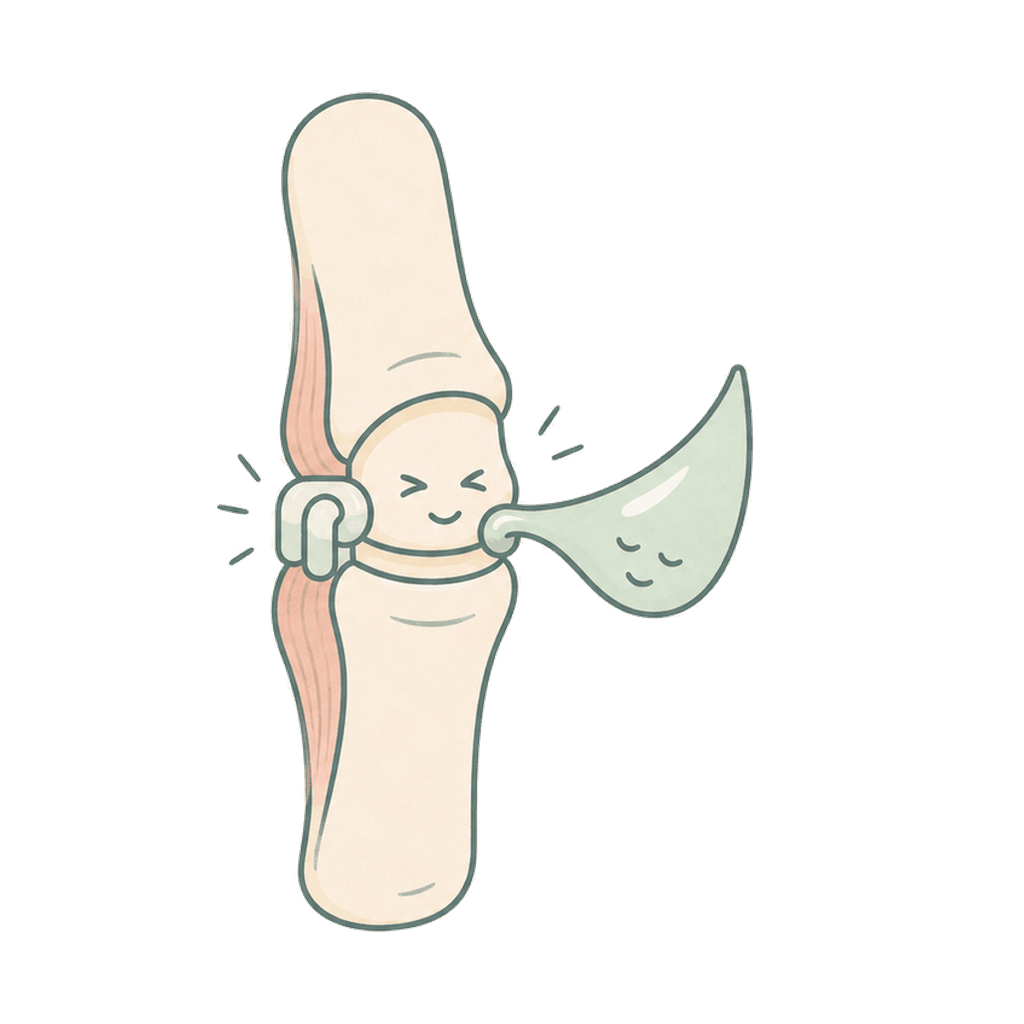
Trigger finger is a condition where a finger catches or locks when bent, caused by inflammation of the tendon sheath that makes smooth movement difficult or…
6 options6 traditional or ungraded
Guided condition explorer
Start with what sounds familiar.
Choose what sounds familiar, then choose the kind of support you want to explore. HealisticMD narrows the library without presenting the result as personal medical advice.
Evidence grade not assigned · Traditional use recognised
Peptide studied for tendon and ligament repair
Why it may be relevant
You'd like to support the tendon's own recovery, and BPC-157 is a peptide that has been explored for tendon and ligament repair — though so far mainly in laboratory and animal research rather than human studies.
BPC-157 is a synthetic peptide investigated for supporting tendon and ligament repair by promoting collagen synthesis and recovery.
Dose or use No established consumer dosing; only under the guidance of a knowledgeable healthcare practitioner.
Key study Evidence for tendon repair is largely preclinical; this use has not been confirmed in controlled human clinical trials.
EvidenceNot yet assessed · We have not reviewed the literature for this oneTime to resultsNot established for this useTraditional useRecognised traditional use
Caution: An experimental research peptide that is not an approved medicine and is banned in competitive sport; use only with medical supervision.
Evidence grade not assigned · Traditional use long-standing
Pineapple enzyme for swelling and inflammation
Why it may be relevant
Since you'd like to calm the inflammation from the inside, bromelain is an enzyme traditionally taken to help with soft-tissue swelling and inflammatory joint pain.
Bromelain, an enzyme from pineapple stem, is documented for inflammatory conditions such as arthritis and for easing soft-tissue swelling.
Dose or use Usually taken as an enteric-coated capsule between meals for anti-inflammatory effect; follow the product label.
Key study Traditionally used and studied for inflammatory and soft-tissue conditions; its specific use for trigger finger has not been confirmed in controlled clinical trials.
EvidenceCenturies of traditional use · Human evidence not yet assessedTime to resultsOften one to a few weeks of consistent useTraditional useLong-standing traditional staple
Caution: May increase bleeding risk with blood thinners and can trigger reactions in people allergic to pineapple.
Evidence grade not assigned · Traditional use classical
Turmeric's active anti-inflammatory compound
Why it may be relevant
You said you'd like to calm the inflammation from the inside, and curcumin is an oral anti-inflammatory traditionally taken to ease inflammatory joint and tendon pain.
Curcumin, the main active in turmeric, has long traditional use and is documented for reducing inflammation and easing osteoarthritis-type joint pain.
Dose or use Commonly taken as a standardized extract with food; look for a formula paired with black pepper (piperine) for absorption and follow the label.
Key study Traditionally used and studied for inflammatory joint pain; its specific use for trigger finger has not been confirmed in controlled clinical trials.
EvidenceCenturies of traditional use across more than one tradition · Human evidence not yet assessedTime to resultsOften several weeks of consistent daily useTraditional useClassical use across multiple traditions
Caution: May increase bleeding risk with blood thinners and can cause mild stomach upset; check with your doctor if you take anticoagulants.
Evidence grade not assigned · Traditional use long-standing
Indian frankincense for joint inflammation
Why it may be relevant
If you want to calm the inflammation from the inside, boswellia is a botanical traditionally taken to ease inflammatory joint and soft-tissue pain.
Boswellia serrata resin has long traditional use and library-documented use for reducing joint pain and inflammation in conditions like osteoarthritis.
Dose or use Typically taken as a standardized extract (look for boswellic acids) with food; follow the product label.
Key study Traditionally used and studied for inflammatory joint pain; its specific use for trigger finger has not been confirmed in controlled clinical trials.
EvidenceCenturies of traditional use · Human evidence not yet assessedTime to resultsOften a few weeks of daily useTraditional useLong-standing traditional staple
Caution: May cause mild stomach upset or heartburn; talk to your doctor if you are pregnant or take other medications.
Evidence grade not assigned · Traditional use long-standing
Pineapple enzyme for swelling and inflammation
Why it may be relevant
Since you'd like to calm the inflammation from the inside, bromelain is an enzyme traditionally taken to help with soft-tissue swelling and inflammatory joint pain.
Bromelain, an enzyme from pineapple stem, is documented for inflammatory conditions such as arthritis and for easing soft-tissue swelling.
Dose or use Usually taken as an enteric-coated capsule between meals for anti-inflammatory effect; follow the product label.
Key study Traditionally used and studied for inflammatory and soft-tissue conditions; its specific use for trigger finger has not been confirmed in controlled clinical trials.
EvidenceCenturies of traditional use · Human evidence not yet assessedTime to resultsOften one to a few weeks of consistent useTraditional useLong-standing traditional staple
Caution: May increase bleeding risk with blood thinners and can trigger reactions in people allergic to pineapple.
Evidence grade not assigned · Traditional use classical
Turmeric's active anti-inflammatory compound
Why it may be relevant
You said you'd like to calm the inflammation from the inside, and curcumin is an oral anti-inflammatory traditionally taken to ease inflammatory joint and tendon pain.
Curcumin, the main active in turmeric, has long traditional use and is documented for reducing inflammation and easing osteoarthritis-type joint pain.
Dose or use Commonly taken as a standardized extract with food; look for a formula paired with black pepper (piperine) for absorption and follow the label.
Key study Traditionally used and studied for inflammatory joint pain; its specific use for trigger finger has not been confirmed in controlled clinical trials.
EvidenceCenturies of traditional use across more than one tradition · Human evidence not yet assessedTime to resultsOften several weeks of consistent daily useTraditional useClassical use across multiple traditions
Caution: May increase bleeding risk with blood thinners and can cause mild stomach upset; check with your doctor if you take anticoagulants.
Evidence grade not assigned · Traditional use long-standing
Hands-on therapy for pain and tension
Why it may be relevant
If you're dealing with localized pain and stiffness and prefer a hands-on, practitioner-led approach, acupuncture is a natural fit for exploring relief.
Traditionally used to relieve localized pain and ease muscle and tendon tension by stimulating specific points around the affected finger and hand.
Dose or use Typically delivered as a series of sessions by a licensed acupuncturist; discuss a treatment plan focused on your affected finger and hand.
Key study Traditionally used for this condition; this specific use has not been confirmed in controlled clinical trials.
EvidenceCenturies of traditional use · Human evidence not yet assessedTime to resultsTypically 4–8 weeks of regular sessionsTraditional useLong-standing traditional staple
Caution: Seek a licensed acupuncturist; let them know about any blood-thinning medications.
Evidence grade not assigned · Traditional use long-standing
Hand-local acupressure point for finger pain
Why it may be relevant
Since you want a hands-on approach, LI4 is easy to reach yourself: it sits right on the back of your hand between the thumb and index finger, close to the affected area.
Traditionally used to ease hand and finger pain and relieve local tension by pressing this point on the back of the hand.
Dose or use Press firmly with the opposite thumb for 1-2 minutes, breathing slowly; repeat a few times a day as comfortable.
Key study Traditionally used for this purpose; this specific use has not been confirmed in controlled clinical trials.
EvidenceCenturies of traditional use · Human evidence not yet assessedTime to resultsSome ease during or shortly after pressing; varies person to personTraditional useLong-standing traditional staple
Caution: Avoid strong stimulation of LI4 during pregnancy, as it is traditionally avoided then.
Evidence grades describe the strength of published research for Trigger Finger, not a promise of results. A higher grade is not a personal recommendation. Nothing here is medical advice — talk to your clinician before starting anything, especially alongside prescription medication.
Related pressure points
Hands-on options you can try yourself.
Acupressure is a comfort measure, not a treatment for Trigger Finger itself. Each page shows where the point is and how to press it.
We track 5 natural options for Trigger Finger — what each is typically used for, usual dose, cautions, and the study behind the ones with real trial data.
One email with the summary. We'll also send a short weekly evidence update — unsubscribe any time.
Build your plan in the app
Build and track your natural-health plan for Trigger Finger in the app.